


Third Annual MEPS 2026 Conference on Serbia`s International Economic Position Held in Belgrade
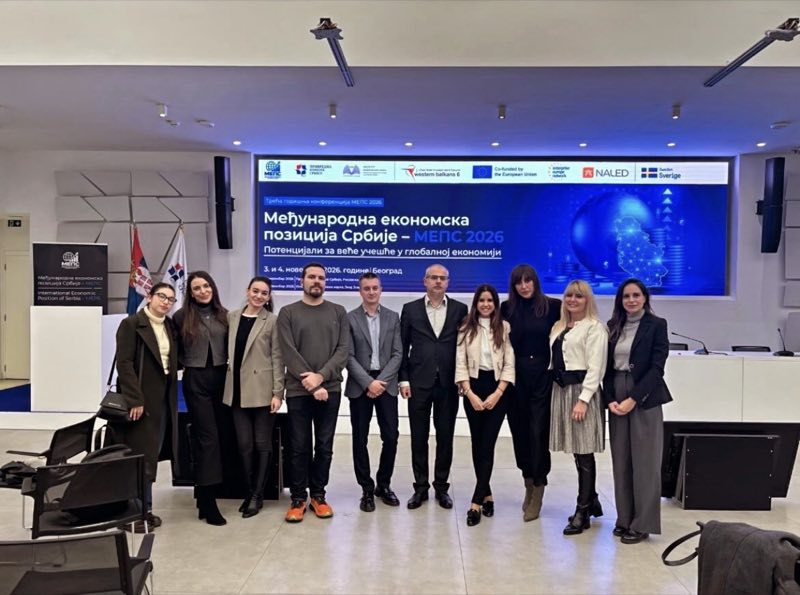
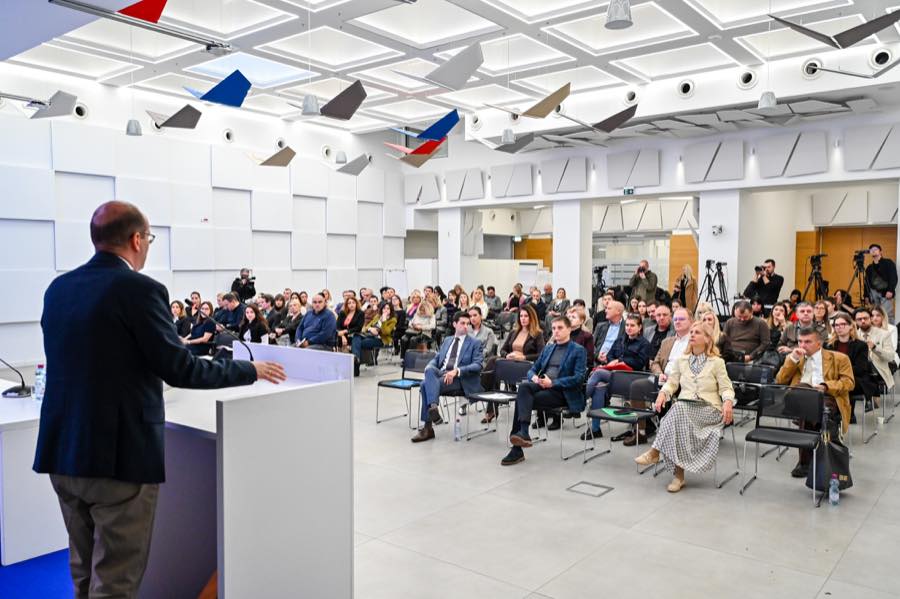
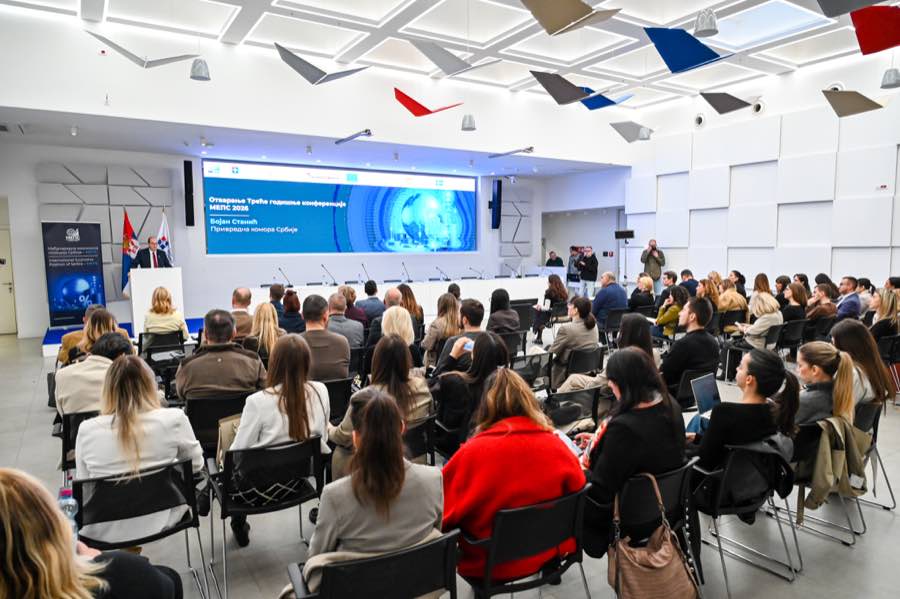
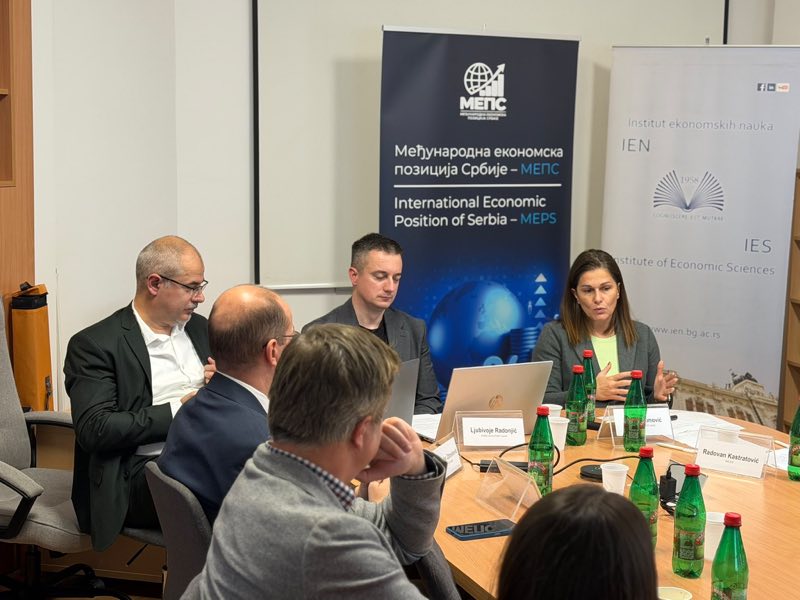
The Institute of Economic Sciences was one of the co-organisers of the third annual MEPS 2026 – Serbia’s International Economic Position: Potential for Greater Participation in the Global Economy conference, held in Belgrade on 3-4 November 2026.
Over two days, the conference brought together representatives of academia, business and relevant institutions to exchange research findings and practical perspectives on Serbia’s international economic position and the opportunities for strengthening the competitiveness of its economy. The first day, hosted by the Chamber of Commerce and Industry of Serbia, focused on institutional support for internationalisation, business perspectives and opportunities for a stronger presence of Serbian companies in international markets.
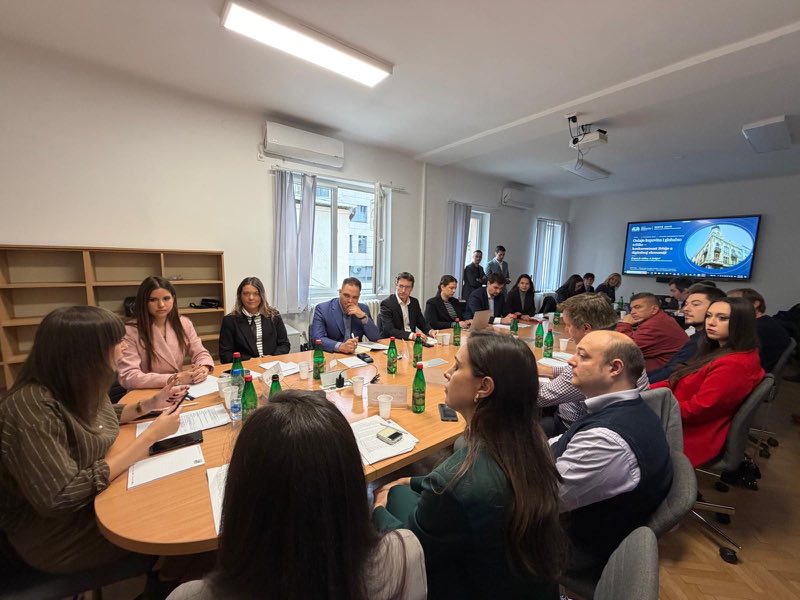
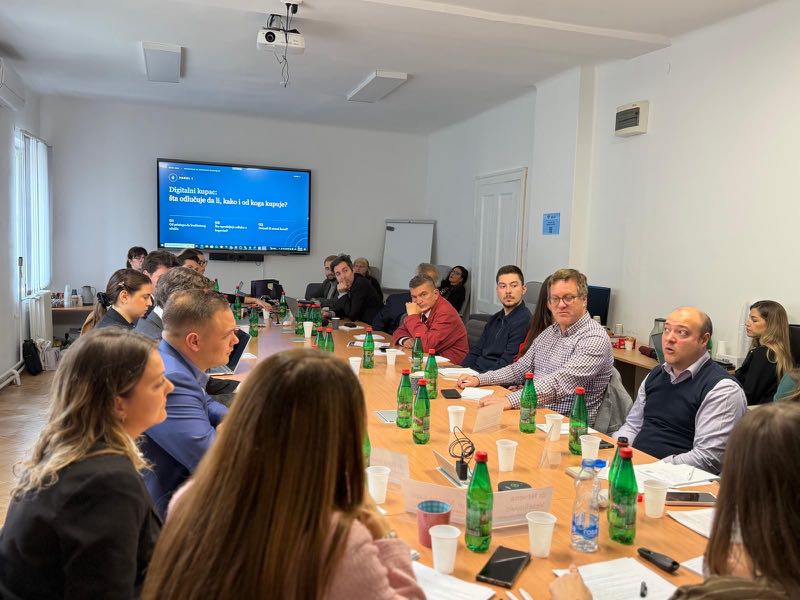
The second day was hosted by the Institute of Economic Sciences and featured two thematic panels.
The panel “Online Shopping and the Global Market: Serbia’s Competitiveness in the Digital Economy”, organised by the Digital Economics Department, brought together research findings on e-commerce development, digital and financial skills, changing shopping patterns and the determinants of online retailer choice with practical perspectives from representatives of Ananas and NALED. The discussion highlighted that rapid growth in online shopping does not automatically translate into stronger competitiveness of the domestic economy. A key issue is the extent to which Serbian businesses can respond to changing consumer expectations, strengthen trust and customer experience, and convert growing digital demand into business performance.
The second panel, “Serbia and the World: Who Invests and Who Trades?”, organised by the Macroeconomics Department, focused on Serbia’s position in contemporary global trade, its export potential and the effects of foreign direct investment. The discussion stressed that, while Serbia has achieved significant export results, its international competitiveness increasingly depends on the structure of exports, domestic productivity and the ability of firms to adapt to growing regulatory, technological and environmental requirements in international markets.
Particular attention was given to the role of foreign direct investment and the need to assess its effects not only through capital inflows and employment, but also through knowledge transfer, the integration of domestic suppliers into value chains and the creation of greater value added. Strengthening exports in higher value-added sectors, attracting sustainable investment under transparent conditions and building stronger linkages between foreign investors and domestic companies were identified as important priorities for the period ahead.
MEPS 2026 once again demonstrated the importance of connecting research, business and institutions in addressing the practical challenges of Serbia’s international competitiveness. A broader message emerging from the conference was that favourable economic indicators provide an important foundation, but stronger long-term international positioning will depend on productivity, the quality of the export structure, the capacity of domestic companies to adapt to change and their more successful integration into global and digital economic flows.

- Zmaj Jovina 12, 11000 Belgrade, Serbia
- Phone: + 381 11 2623 055, + 381 11 2622 357
- Fax: + 381 11 2181 471
- Email: office@ien.bg.ac.rs
- Activity Code: 7220
- PIB: 100039204
- Identification number: 07041144


